
News & Updates from Tablebases.com
-
Get Creative with your Seafood Menu for Lent
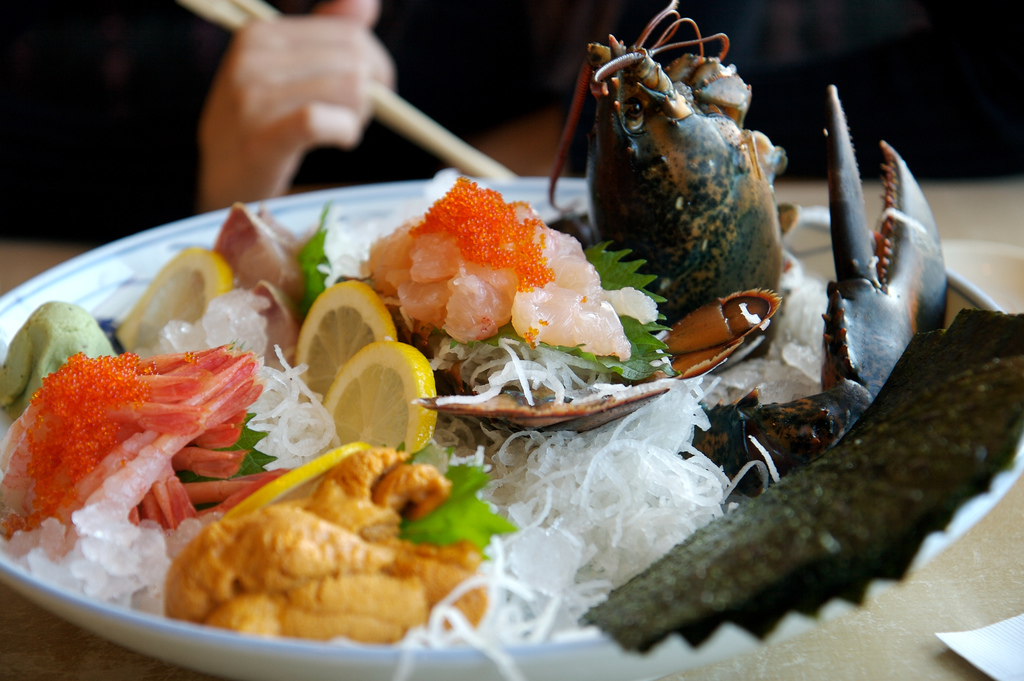 Restauranteurs, do you know what today is? Ash Wednesday, which marks the beginning of Lent, the Catholic period of repentance that runs for 40 days through Easter. The most important thing for restaurants and bars to remember, is that those participating in Lent avoid eating meat on Fridays. That's 7 Fridays this year where patrons are likely to order fish dishes, and you can help your restaurant stand out by presenting a strong offering. While Lent is a religious occasion, one in which an estimated 14% of American's participate, the increased hype and buzz that companies generate around their seafood offerings during this time of year means that even more American's are likely to have fish on their minds. Continue reading →
 -
Google Shows Restaurant Menus in Search Results
 Google is yet again showing off its prowess as the organizer of the internet. The company recently announced on their blog that restaurant menus would be available through Google search. Users searching for a restaurant can search for "menu for Johnny's Harborside", or even use Google voice search by saying, "show me the menu for Tramonti". The menu will appear in a box above the usual search results, complete with organized categories and descriptions of dishes. This kind of maneuver definitely fits with Google's mission of cataloging everything on the internet for easy access, adding to the list of information it presents. Now you can search for menus to plan a night out, check the weather, and get driving directions, all without leaving the main Google search page. Continue reading →
 -
Is Sake America's Next Craft Liquor?
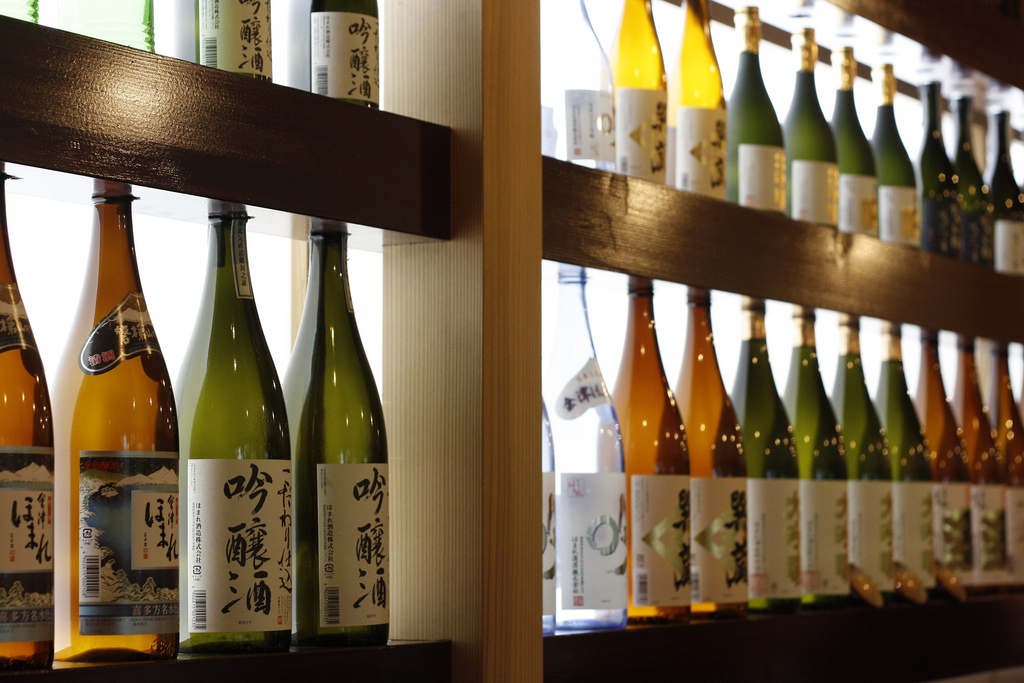 Craft beers and spirits are becoming extremely popular among consumers, and combination brewpub restaurants are gaining a firm holding in their local communities. With the market for craft beer and brewery restaurant experiences becoming quickly saturated, craft restauranteurs with a taste for the hard stuff are starting to look at new ideas. One idea, mentioned by Restaurant Hospitality in a recent editorial, is to get started in the sake business. As the article points out, there are only about three sake domestic breweries that are also restaurants, but the few that do exist are quickly becoming popular with consumers in their area. Continue reading →
 -
What Does the Vino Say?
 Most everyone (of legal age, of course) knows what wine tastes, looks and smells like. Some astute observers may even know what it feels like. Well, a recent editorial on drinks website PUNCHDRINKS prompts a discussion not of taste, color, origin, terrior or finish, but of how wine sounds. That's right, the sonic properties of wines. Moving beyond the effervescent fizz of champagne, some have begun to consider how the sounds of wine can affect enjoyment, and also how drinks and sound interact to create an experience. The whole affair is rather….shall we say, niche, yet part of it is backed up by real research and exploration into the topic. Continue reading →
 -
FDA To Change Nutrition Labels
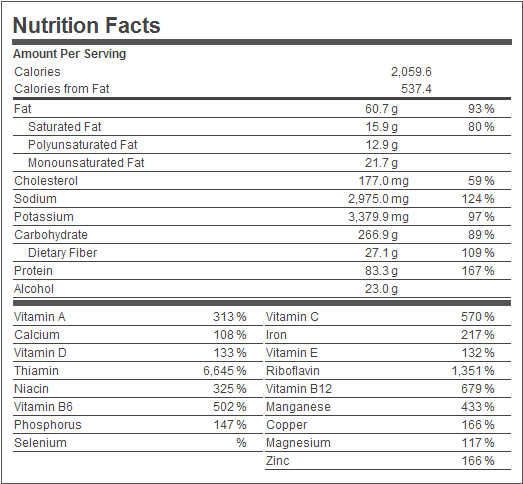 The Obama administration and FDA have just made sweeping changes to the way food nutrition labels are organized, with the goal of making them more useful and straightforward for consumers. There are quite a few changes on the table, including bolder and larger type face for calorie counts, as well as potentially reorganized categories aimed at helping consumers make quick and informed decisions at the grocery store. This will mark the largest significant change in American food labeling since their advent 2 decades prior. The proposed effects will not go into effect right away, the FDA will hear comments and concerns for 90 days, and then will likely give companies two years or so to adapt to the changes. Continue reading →
 -
Restaurant No-Shows
 No shows, patrons who fail to show up for reservations or forget to cancel on time, are a constant source of pain in the restaurant industry. Everyone knows the stories, someone's car broke down, a babysitter cancelled, there was a death in the family. Excuses abound, and though many have legitimate reasons for missing a reservation, more still are blissfully unaware of how their casual attitude affects restaurant owners. As a recent article in the Edmonton Journal highlights, when a reservation is missed, it is highly likely that the table will remain empty, and the revenue that the restaurant was counting on goes out the door (actually, it never came in). Continue reading →
 -
The Durian Fruit
 Have you ever heard of a durian? The large, southeast Asian fruit is famous for it's smell and massive proportions. In the tropical countries where the fruit is native, it is famous for it's horned husk, creamy flesh and extremely pungent smell. Banned from many southeast Asian public transportation services, as well as many hotels, the epic scent has been given various descriptions, from rotten eggs, to raw sewage, to expired onions. While some loath the smell and taste of the "King of fruits", the opinions are polarized, with durian lovers claiming the giant fruit has a complex and unrivaled taste. Continue reading →
 -
Sour, Strange Foods Hitting the Fryer
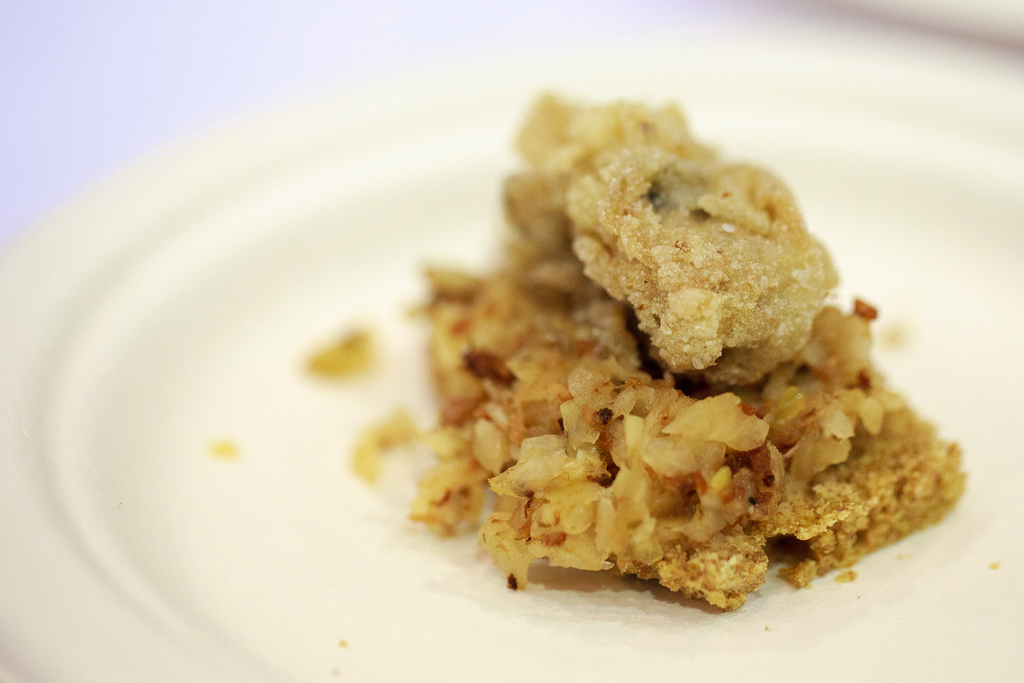 Restaurants have long known that consumers have an appetite for fried foods, but the types of foods hitting the hot oil looks to be changing. According to a recent report from Nations Restaurant News, new vegetables and other foods options are starting to appear as deep fried items on menus. Previously unpopular foods, such as brussels sprouts and pickles, are showing up on menus across the nations as chefs hone in on changing consumers tastes. Continue reading →
 -
Economics of Cocoa
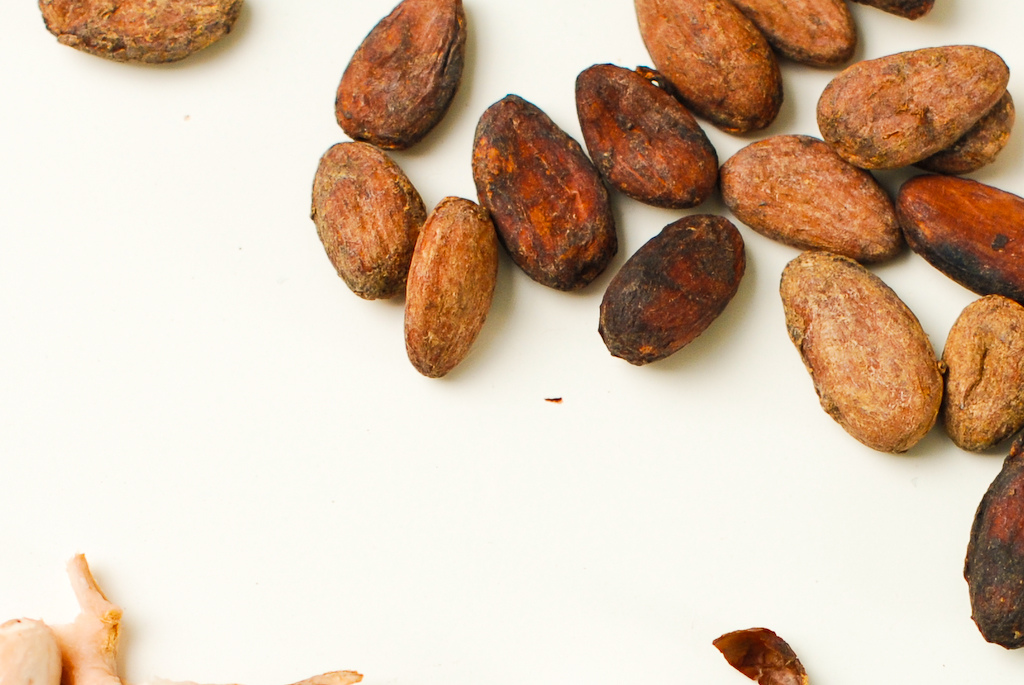 Not too long ago, we talked about the environmental impact of coffee, from it's inception on the farm to the drink in your local café. Now, CNN has reported on another controversial internationally traded food item, cocoa. Much like coffee, the demand for high quality cocoa is predicted to increase dramatically. Also like coffee, those who grow cocoa beans and those who consume them are groups separated by an ocean of disparities, quite literally. The vast majority of the world's supply of cocoa comes from very poor communities in West Africa, Indonesia, and South American nations such as Brazil and Ecuador. Of them, more than 1/3rd of the global cocoa bean supply, thats approximately 1511 thousand tonnes per year, originates from a small west African nation, Côte d'Ivoire, otherwise known as the Ivory Coast. Continue reading →
 -
"Local" and "Sustainable" Hold Real Value for Consumers
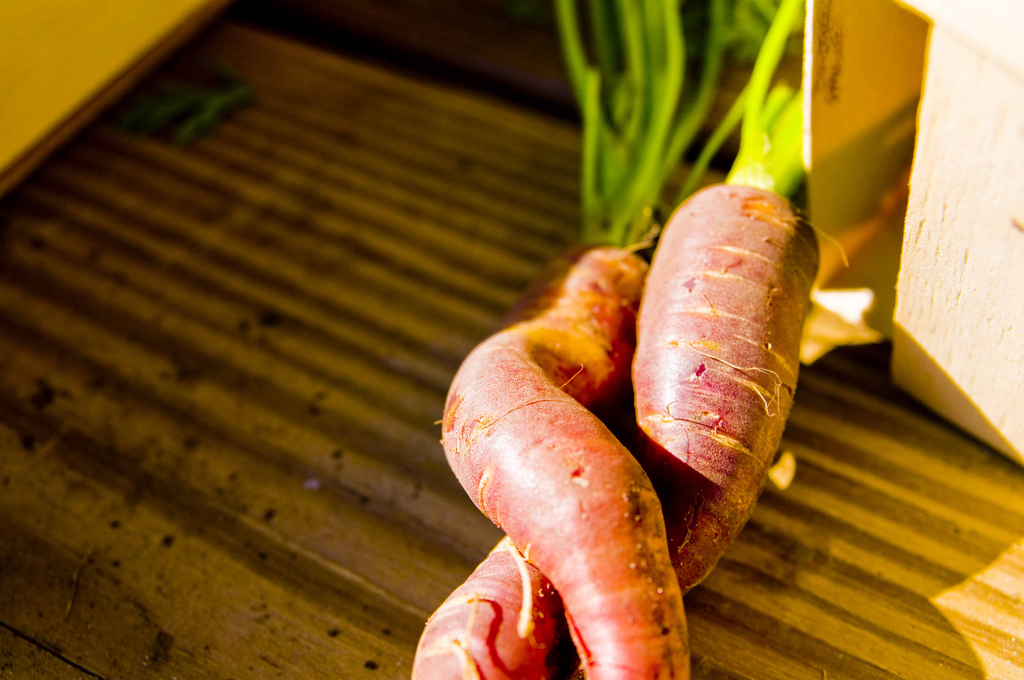 The buzzwords "local", "sustainable", "seasonal" and "organic" have garnered a lot of attention over the past year, with consumers increasingly wanting more and more information about the source and quality of the ingredients used in restaurant dishes. While these terms are not certifications - the meanings can vary depending on what ingredients and locations to which they pertain - they are general indicators of a young movement in food, one in which quality trumps quantity or price. New data indicates that these words may be more than industry buzz. Continue reading →
