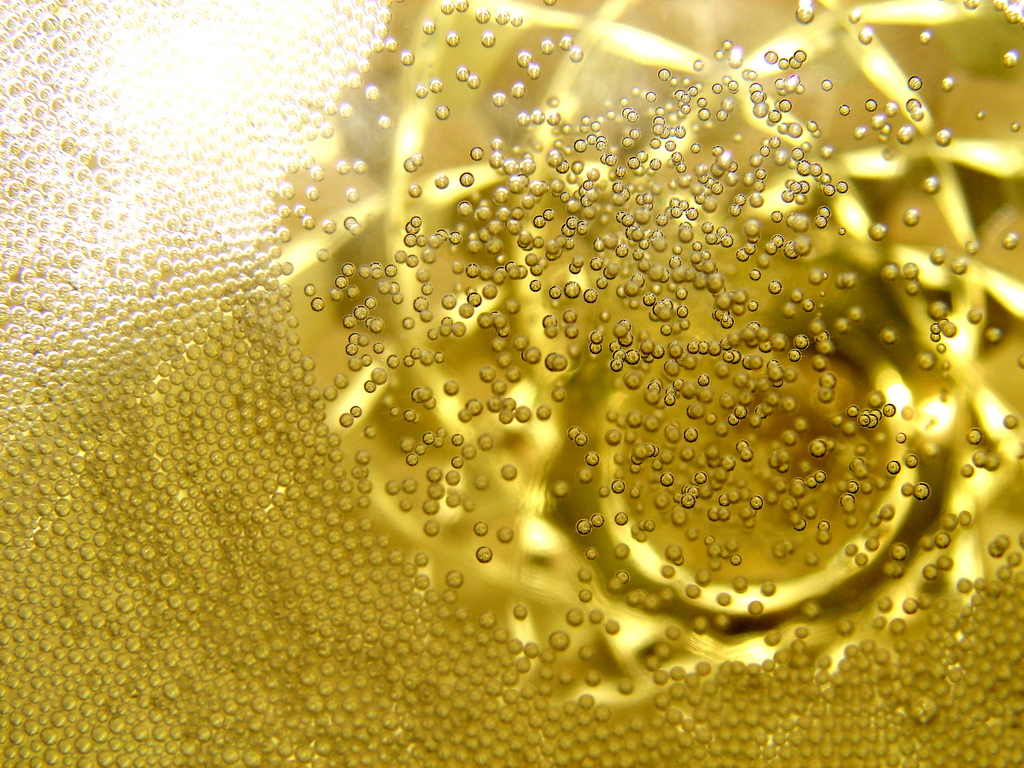
Most everyone (of legal age, of course) knows what wine tastes, looks and smells like. Some astute observers may even know what it feels like. Well, a recent editorial on drinks website
PUNCHDRINKS prompts a discussion not of taste, color, origin,
terrior or finish, but of how wine
sounds. That's right, the sonic properties of wines. Moving beyond the effervescent fizz of champagne, some have begun to consider how the sounds of wine can affect enjoyment, and also how drinks and sound interact to create an experience. The whole affair is rather….shall we say, niche, yet part of it is backed up by real research and exploration into the topic.
Champagne giant Krug recently introduced a
"Krug Shell", a porcelain gramaphone champagne "amplifier", designed by French artist Ionna Vautrin. Krug claims the shell connects the drinker to the "external resonance of the seashore". While that may just be cooky marketing, there are some nuanced and legitimate correlations between sound and drinks. The articles author,
Charles Antin, goes so far as to have someone do a blind "listening" test, to see if fizzy drinks such as seltzer, canned soda and champagne can be identified by just their sound (spoiler alert, his test subject was able to identify each beverage by the sound alone).
Other research, published in
The Journal of Sensory Studies, posits that there is a "non-random" agreement between certain wines and classical music, suggesting that different wines pair not only with different foods, but also different tunes. While a lot of this seems like speculation, the authors of the study assert that restaurants can gain a competitive edge by getting creative with food by integrating sound, and by thinking about the sonic qualities of different ingredients.
What do you think, is this all a little too far out there, or are you already composing the harmonics of your next tasting menu? Let us know what you think via Twitter, Facebook, Google+ and LinkedIn.
Source:
PUNCH Drinks,
Image Credit (Flickr)
 Tablebases.com
