The ideas of
local,
sustainable and
environmentally friendly consumption have really taken hold in recent years, and that was especially true of 2013. Those buzzwords have been everywhere in the restaurant industry, whether on the side of the restaurateur, supplier or consumer. Organic, free-range, non-GMO, America is trending - though it is still a niche market - towards more "
natural" and eco-friendly means of food consumption. One of the socio-environmental catch phrases that did not get as much attention this year is Fair Trade.
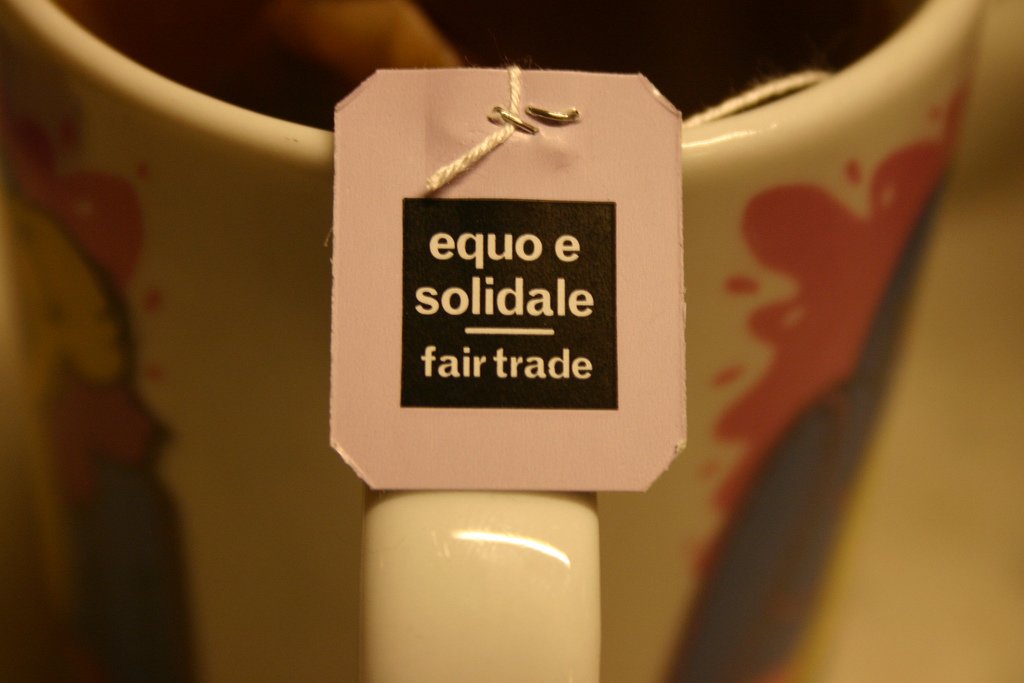
"Fair Trade" is a certification applied to certain foods that meet the criteria set out by the non-profit organization
Fair Trade USA. The goal of this organization and their certifications are to help impoverished farmers and producers in foreign countries, by helping to negotiate fairer prices for their goods, while at the same time providing resources so they can manage that money, and use it for their benefit. Communities are encouraged and aided in creating sustainable farming practices, getting access to clean water and nutritious foods, as well as given advice on how to gain more control over the market prices of their goods.
Items labeled as "Fair Trade" are often a bit pricier than their mainstream counterparts, depending on the product. Fair Trade USA notes on their website that things such as coffee and chocolate are competitively priced to compete with gourmet brands of comparable quality. Other goods such as bananas are actually quite a lot more expensive in many cases, due to the fact that small, sustainable farmers do not have access to the same infrastructures for production and shipping as do larger corporations.
Considering the possible added costs of buying Fair Trade, what benefits do these special goods have for the consumers and restaurants who actually purchase them? Fair Trade USA has a list of requirements that goods must meet in order to be certified, with the goal of protecting both the small producers of goods, as well as the land on which they are produced. While goods do not have to be organic, FT USA notes that almost half of their certified goods are organic, and they do strongly encourage and aid in creating infrastructure for organic goods. Additionally, all certified fair trade goods are non-GMO, which is good news for conscious consumers who may be awaiting the passage of a Genetically Modified labeling standard in their state. In addition to paying close attention to the goods produced, FT USA also restricts the use of pesticides and fertilizers, and takes steps to protect the integrity of local water sources. Check out the
Fair Trade USA website in the source link below for more information, and consider stocking your establishment with some certified goods if you are interested in attracting more environmentally or socially conscious consumers.
Source:
Fair Trade USA,
Image Credit: Flickr
 Tablebases.com
