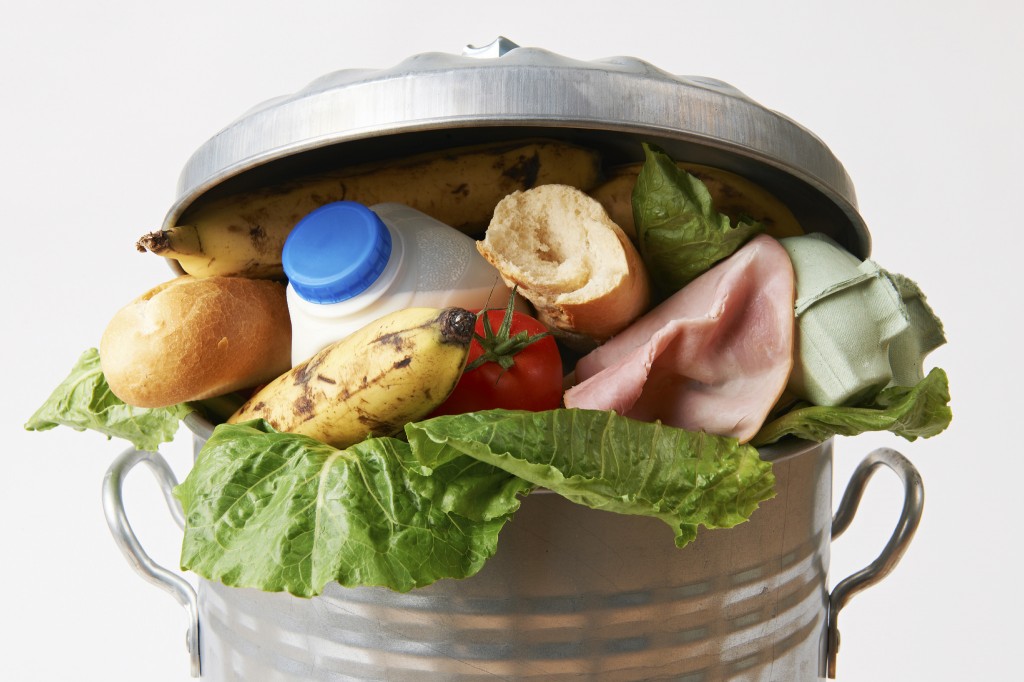
Food waste is an enormous problem, one that not only costs us money, but is also an environmental nightmare. Some estimates say that up to 40% of our nation's food supply is thrown away each year, and the number has been growing. France, a nation where taking home leftovers from a restaurant is a very foreign and, previously, unwelcome concept, has been taking major steps to help curb food waste.
Their goal is to reduce waste by 50% by the year 2025. A new law, effective as of New Year's Day, now requires busier restaurants to provide takeout containers (le doggy bag) for customers that ask, in an attempt to better utilize leftovers.
According to France24, 75% of the French people are OK with the idea of doggy bags. However, a full 70% of those surveyed said they have never taken leftovers home with them. The French language actually doesn't seem to have a translation for "doggy bag", as they actually call it "le doggy bag". That probably seems strange to most Americans (and indeed other nations), where the ideas of getting take-out or boxing up your leftovers are commonplace, and sometimes
even over the top. With food, sometimes very meticulously prepared food, being such an ingrained part of French culture, it makes sense that some chefs would be apprehensive about throwing their carefully crafted meals in a bag. Some operators are trying to shift focus by referring to take out containers as "le gourmet bag" to reduce the stigma.
Does your restaurant or bar have a program in place to try to reduce food waste? Do you have a way of re-using the food, donating safe, unused portions or a compost program? Let us know what ideas you've implemented by reaching out on Twitter, Google+ or Facebook!
Previously from December 2013:
Wasted food is a major issue in the US, and one that has faced increased scrutiny in recent years. Some estimates say that up to
40% of our nation's food supply is discarded as trash each year, and that figure has grown by
30% over the last 30 years. Mounting environmental concerns regarding the use of water and other necessary resources have brought the problem of food waste to the forefront, and now we are seeing some consumers, entrepreneurs and restauranteurs take notice. Startup companies have created applications, such as LeftoverSwap, that give consumers simple and viable alternatives to throwing out perfectly edible, yet unwanted, food items, and restauranteurs are making efforts to be more efficient about the use of ingredients.
Food waste is not just a problem for our wallets and landfills, it is also a huge issue in terms of our environment. When we discard food that still has potential to be utilized, we are not only creating more waste, we are also negating the resources that went into making that food. The water, soil and time necessary to farm ingredients is completely wasted, and the management of that waste requires even more resources such as water and energy. This means that, in essence, wasted food is something we pay (in resources) to create, pay (in money) to have, and then pay (again, in resources) to throw away. It is easy to see how this vicious cycle can spiral and create a major problem.
Better management of food saves money for consumers and restauranteurs alike. Restaurant and food store operators save can save money on food costs, by not purchasing surplus and having to throw out spoiled items. Consumers benefit as well, not only because preventing waste helps curb environmental concerns, but also because they save money not purchasing extra food they may not need. As the
LA Times reports, some restaurants such as Gobi Mongolian BBQ House in Los Angeles, are putting active policies in place to help reduce the amount of food that leaves the restaurant as trash. The establishment, co-owned by restauranteur Christina Rivera, charges customers for uneaten food on "all you can eat" nights, in order to prevent the "eyes were bigger than your stomach" situation among guests. While some patrons have scoffed, many are indifferent, and the restaurant has noticed a decrease in waste.
Reducing waste does not necessarily mean charging guests an extra fee, in some cases in can mean making creative improvements to your menu. Some restaurants change their menu daily, or offer frequent specials, in order to reflect the ingredients on hand and reduce spoiled waste. Rather than sticking to set options, and having to keep ingredients in stock whether customers order the dishes or not, having a fresh daily menu gives an opportunity for creativity, and means you can better utilize what's left in your fridge, before your next shopping trip.
Technology is also helping to eliminate wasted food. In addition to apps such as LeftoverSwap, which connect people with leftovers to people looking for leftovers (especially useful after Thanksgiving), some tech companies are providing comprehensive tools to restaurants. According to the
LA Times article, Portland Oregon based
LeanPath has introduced their ValuWaste automated system, which uses scales, cameras and computers to record items as they are discarded. There are even smart refrigerators available, which utilize sensors and scanners to recognize and remind of expiration dates and which detect mold. This helps restauranteurs keep track of exactly which ingredients or dishes are being wasted, and helps to narrow down the cost of the uneaten food. By analyzing the information, restaurant owners can make smart changes regarding menu choices, portions, as well as organizational back of house optimizations. Outside of technology, there are plenty of small things that everyone can do day to day. By purchasing fewer groceries more often, and sharing leftovers and unwanted food with friends and neighbors, we can all significantly cut back on the amount of good food that ends up uneaten and in the trash.
Source:
LA Times,
France24
Image Credit:
USDA (Flickr) Tablebases.com
