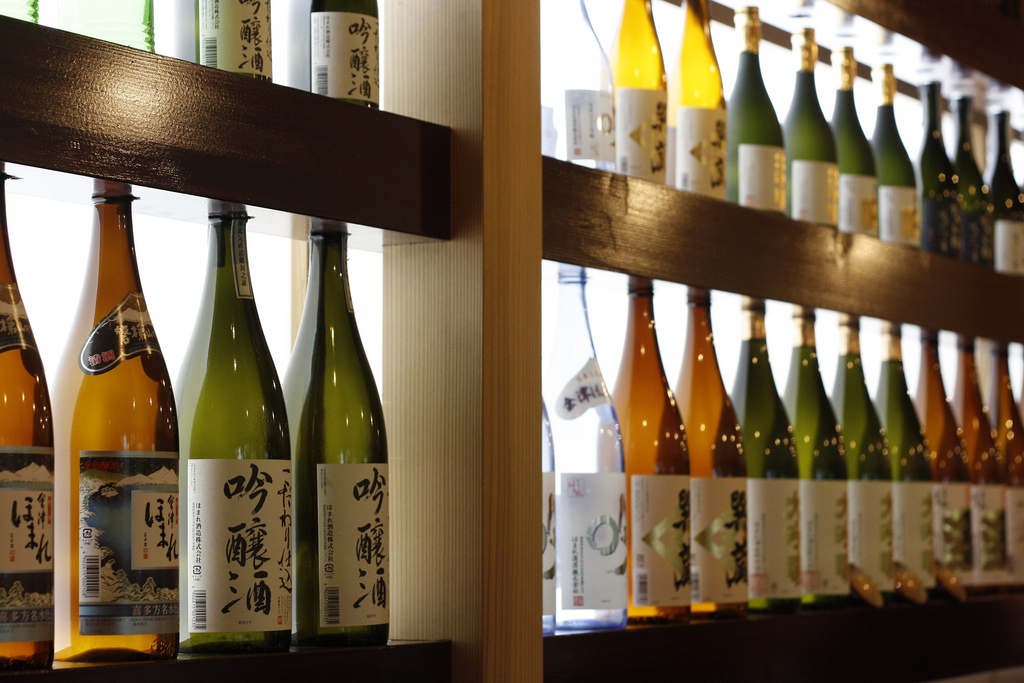
Craft beers and spirits are becoming extremely popular among consumers, and combination brewpub restaurants are gaining a firm holding in their local communities. With the market for craft beer and brewery restaurant experiences becoming quickly saturated, craft restauranteurs with a taste for the hard stuff are starting to look at new ideas. One idea, mentioned by
Restaurant Hospitality in a recent editorial, is to get started in the sake business. As the article points out, there are only about
three sake domestic breweries that are also restaurants, but the few that do exist are quickly becoming popular with consumers in their area.
As we know,
American's love drinking, but our nation also has a soft spot for Japanese food. Sushi restaurants have long had loyal customers, and with speciality ramen restaurants popping up across the US, it looks like now is a perfect time to get into the business of craft and small batch sake. The beverage, while relatively new to the US, has been popular in Japan for over a thousand years. The fermented rice drink dates back to
before 800 A.D, and was originally brewed by state run monopolies before temples and shrines took over the process. Besides the banning of home brewing and the advancements in production that came along with the technology of the industrial revolution, the biggest change to sake (saké) came during
World War II.
When rice supplies were low during the war, the government allocated most of the land and resources available to growing rice for food. To increase production during these slow times, Toji, or the brewmaster, would add alcohol and glucose to the rice mash. As a result, this method is still practiced today, with about
75% of the world sake made in this manner. The trend seems to be waning, however, as beer is now more popular the sake in Japan, and more Toji are transitioning back to the traditional manner of production.
While sake is made from rice, the varieties used for the drink
are not the same as those grown for direct consumption. The grains are longer, larger and stronger, and are polished to remove the bran. There are tons of different types of sake rice, and the type, along with the qualities & mineral content of the water used in production, are some of the key factors that determine the taste and characteristics of the finished product. We will refrain from explaining the entire process from picking to fermenting to bottling, as it is a complicated affair, but
Wikipedia has a pretty good run down of the sequence.
So what are the downsides? Well as it turns out,
brewing sake is quite difficult, especially compared to beer. On top of that, though Japanese food is obviously popular on this side of the Pacific, sake has never been an American favorite. However, with the booms and busts experienced by the vodka, gin,
whiskey and cider industries, it is clear that the popularity of liquor is acting on a cycle. Now, while the market is empty, might be the best time to get in the game, and start the next big trend.
Source:
Restaurant Hospitality,
Wikipedia,
Image Credit (Flickr)
 Tablebases.com
