

When restaurants create a menu and begin choosing wines to pair with their foods there is a lot to consider, from what kind of cuisine the restaurant is serving down to what kind of clientele they’re looking to attract. A restaurant specializing in French cuisine will likely focus on French wines, and High end restaurants that want to cater to wealthy clientele will likely choose pricier, rarer vintages. Restaurants also need to take into consideration their space for wine storage and the turnover of stock when pricing their wines with their foods.
When a restaurant first starts looking for wines to pair with their menu they may look to the regions that inspired their dishes first. It makes perfect sense for a French bistro to choose French wines, and the same goes for a restaurant specializing in Italian cuisine. A more American style restaurant can have more leeway, either focusing on domestic wines (like California’s variety of offerings), or a selection from around the world. Restaurants can capitalize on using familiar brands, or introducing customers to new brands to add excitement to a menu.
Location, wine pairings and pricing can also help an establishment determine the clientele they want to attract. A small family restaurant in a suburb may not be able to justify charging $100+ for a bottle of wine, but an elegant upscale eatery in a metropolitan area will know that they have discerning patrons willing to pay that much, and more, for a quality wine of a good vintage! Many restaurateurs and sommeliers will even pair wines by the glass with each of their entrees to take out the guesswork for customers and create an appealing add-on.
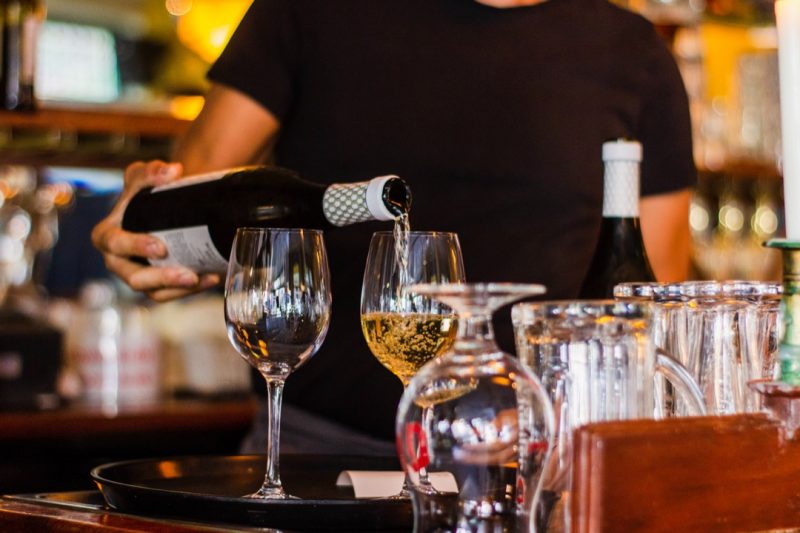
So how do restaurants decide on a price for a bottle or glass of wine? And why is it so much more expensive than purchasing one at your local grocery or bottle shop? When André Hueston Mack of Bon Appétit is putting together a wine list for a restaurant he looks to the menu’s two priciest entrees when determining the budget, and then will price the bottle about double the entree. For example if the average of the top two entrees is $40 then the best price that a dining customer would be willing to pay would be about $80. This would include a 3x markup, so the ideal cost to the restaurant would be about $27 wholesale. As for per-glass pricing André recommends charging the full wholesale price of the bottle, so in this example $27. This way if the rest of the bottle is not served and goes to waste the restaurant has not lost any money.
Wine and food go hand in hand, and with varieties that suit any cuisine and price points for every budget most restaurants would be remiss to add a selection to their menu. While a well thought out wine list may not be what brings customers into a restaurant, it can certainly be a reason for them to stay a little longer, spend a little more, and it can add a lot of value to their experience! With that in mind, working with a local sommelier to polish your wine list can give your restaurant that added advantage to elevate your customers’ dining experience.
