
¨ ¨ ¨ ¨ ¨ ¨ ¨ ¨ ¨ ¨ ¨ ¨ ¨ ¨ ¨ ¨ ¨ ¨ ¨ ¨ ¨ ¨ ¨ ¨ ¨ ¨ ¨ ¨ ¨ ¨ ¨ ¨ ¨ ¨ ¨ ¨ ¨ ¨ ¨ ¨ ¨ ¨ ¨ ¨ ¨ ¨ ¨ ¨ ¨ ¨ ¨ ¨ ¨ ¨ ¨ ¨ ¨ ¨ ¨
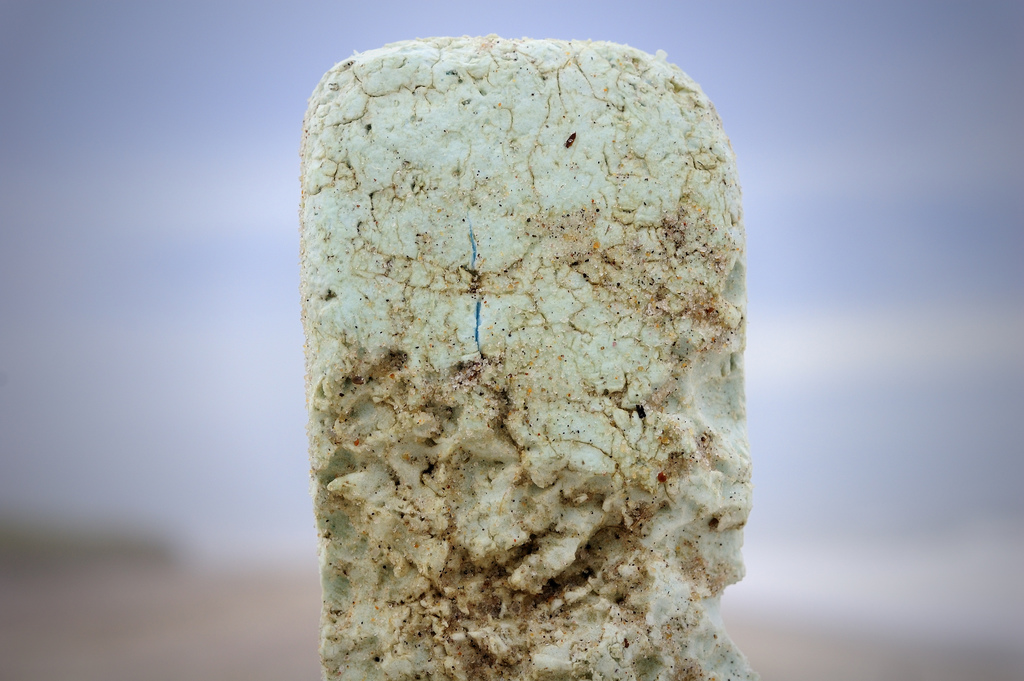
1/15/14: Sustainability is a hot topic that is gaining momentum in every corner of the food industry, from farming and production all the way down to restaurants, grocery stores and consumer habits. One of the issues sweeping the nation is the question of plastic bags and styrofoam containers. As Progess Illinois has reported, Chicago is one of the latest additions to a list of cities that are considering banning the use of styrofoam containers in restaurants and stores. Two Chicago alderman have recently (re) introduced an ordinance that aims to eradicate the synthetic material in order to help minimize our impact on the environment, reduce waste, and mitigate the costs associated with disposal. The ordinance would encourage the use of containers made from biodegradable materials with a city wide ban, and similar bans are being debated in cities, counties and states through the country. Over 100 U.S. cities have already banned the use of styrofoam containers such as food boxes and cups. Santa Cruz, California, the home of Tablebases.com, banned styrofoam in 2008, and plastic bags in 2013, and also mandates that stores charge customers 10¢ per paper bag, in an attempt to encourage consumers to use their own, reusable bags. In Chicago there are over 250,000 students at public schools who are served lunch on styrofoam trays, resulting in 35 Million lunch trays thrown out each year. The problem with styrofoam when it comes to the environment is that it does not biodegrade. Rather, it breaks up into small bits that threaten wildlife and are nearly impossible to properly contain. With environmental concerns growing across the country, styrofoam looks to be the next material on the chopping block. Some research has suggested that chemicals used in styrofoam (styrene) can also be linked to health issues in people. Many Chicago based merchants are concerned that the higher costs associated with biodegradable options, which will most likely be passed on to consumers, will hurt their business. Chicago is also debating a ban of the use of plastic bags, as well as styrofoam packing peanuts. How would a styrofoam or plastic bag ban affect your business? Is moving to biodegradable materials something your establishment would do voluntarily? Let us know via Facebook, Google +, Twitter or LinkedIn, using the icons at the top of this page. Source: Progress Illinois, Image Credit (Flickr) 100 cities that banned